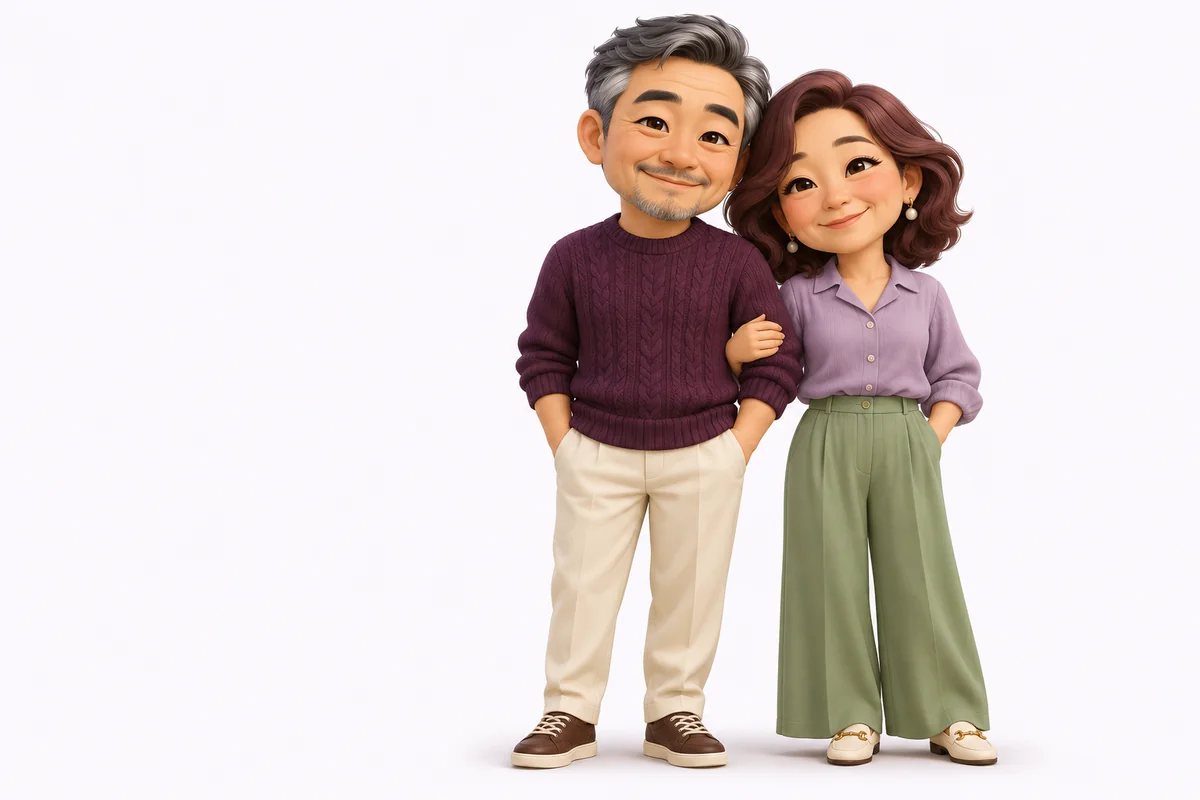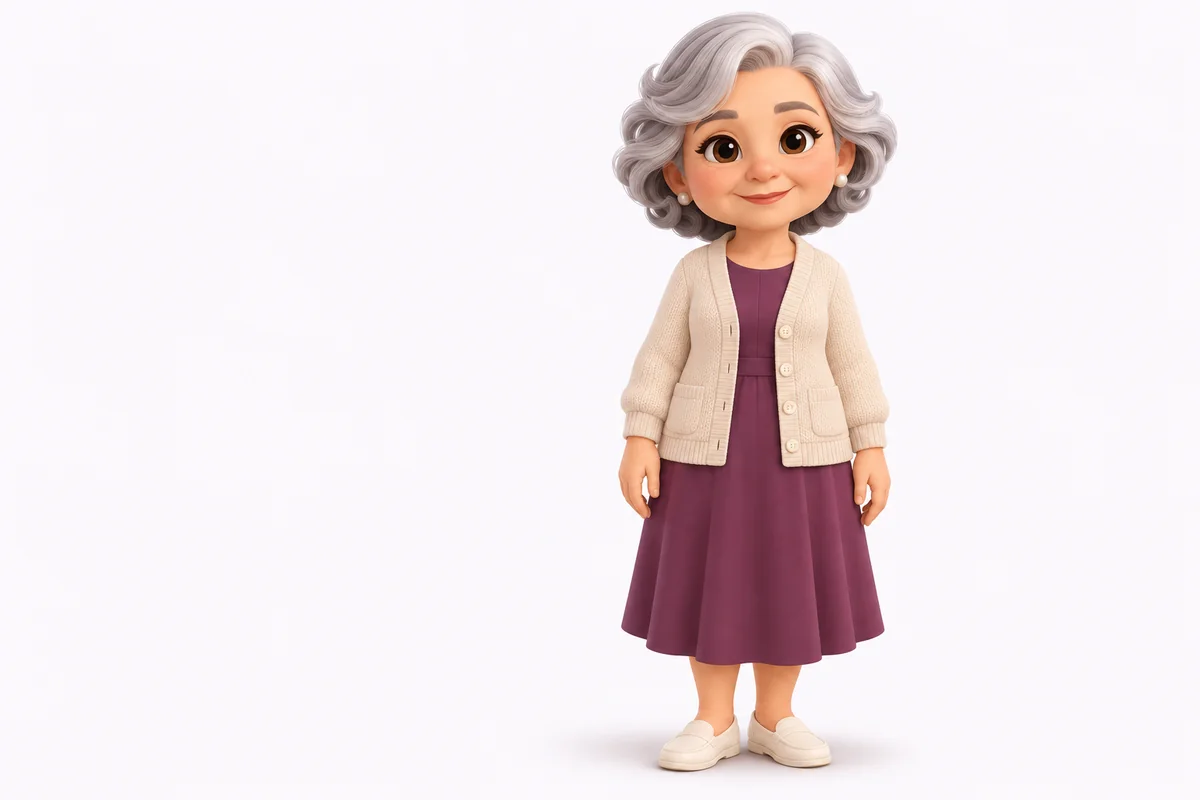
A memorial doll portrait begins with a personal choice: whether a small, stylized representation is something you want to keep or give. There is no need to turn the idea into an order before that feels clear. A familiar photograph, a handwritten memory or no new object at all may be the preference.
If a chibi portrait is the direction you choose, give the design a modest, specific purpose. It might represent the clothes someone wore on ordinary family visits or a look from a period you remember particularly well. It cannot recreate the person or replace what you remember about them.
Check the wish to receive it before planning a surprise
A portrait that feels suitable to the giver may feel too personal to the recipient. Before arranging one for someone else, ask whether they would welcome a physical keepsake and whether they would want to help choose the image. Leave room for a simple refusal without asking them to explain it.
You can keep the question practical: would they prefer a photograph, a stylized figure or something without a portrait? If they are interested, ask whether they imagine displaying it privately or sharing it with family. Their answer can guide the scale of the gesture and the wording of the accompanying note.
Do not set a deadline for a decision because an anniversary or gathering is approaching. You can write down the idea for later. Avoid presenting a commissioned image as something they ought to enjoy simply because effort has already gone into it.
Choose one familiar period and an ordinary detail
Start with the version of the person you mean to remember. That might be a recent hairstyle and favorite cardigan, or the outfit visible in an older family photograph. Different relatives may hold different images in mind. For a shared gift, agree on the period before assembling a mixture of clothing and ages.
Choose details that you can explain from the reference and your own memory. A familiar pair of glasses or a jacket's shape can carry the idea without a full recreation of a room, a workplace or an event. You can put the setting and the story into a written note.
- Which period should the portrait represent?
- Which visible detail feels most familiar to you?
- Is the chosen outfit clear, or does it need a separate explanation?
- Which details can remain optional if they make the design too complicated?
The photo reference guide can help you assess the clarity of an image. Use a photograph you are permitted to share. If important parts are unclear, state what you know rather than asking the design to invent a supposedly accurate detail.
Allow the result to be a stylized portrait
A chibi doll has a larger head and smaller body than a realistic portrait. The facial features, clothing and pose are interpreted within that style. Consider whether that visual language suits the purpose before choosing it for a memorial.
When an AI design preview arrives, compare it with the priorities you wrote down. Look at the expression, the outline of the hairstyle and the overall feeling of the outfit. You do not have to accept a direction that feels wrong simply because it resembles the source photograph in some details.
The preview review guide separates a digital design image from a photograph of a completed figure. Ask about any detail whose physical form matters before buying. A preview should help you decide whether to proceed; it is not a promise of an exact likeness.
Keep the presentation as private as it needs to be
Decide where the portrait would belong before choosing its available size. A bedroom shelf, a closed study and a shared living room offer different levels of privacy. You do not need to explain that choice to visitors or turn the figure into the center of a memorial display.
If you include a card, keep the message grounded in the recipient's wishes. A hypothetical line could be: "I chose the blue cardigan because that is the outfit you said you wanted to remember. There is no need to display this unless you want to." Use your own words and avoid promising comfort, recovery or any particular emotional response.
If you later consider other portraits from different periods, the guide to a portrait collection can help you give each one a separate purpose. One thoughtful choice is enough for now. The decision to make, keep or give a memorial portrait remains with the people involved.