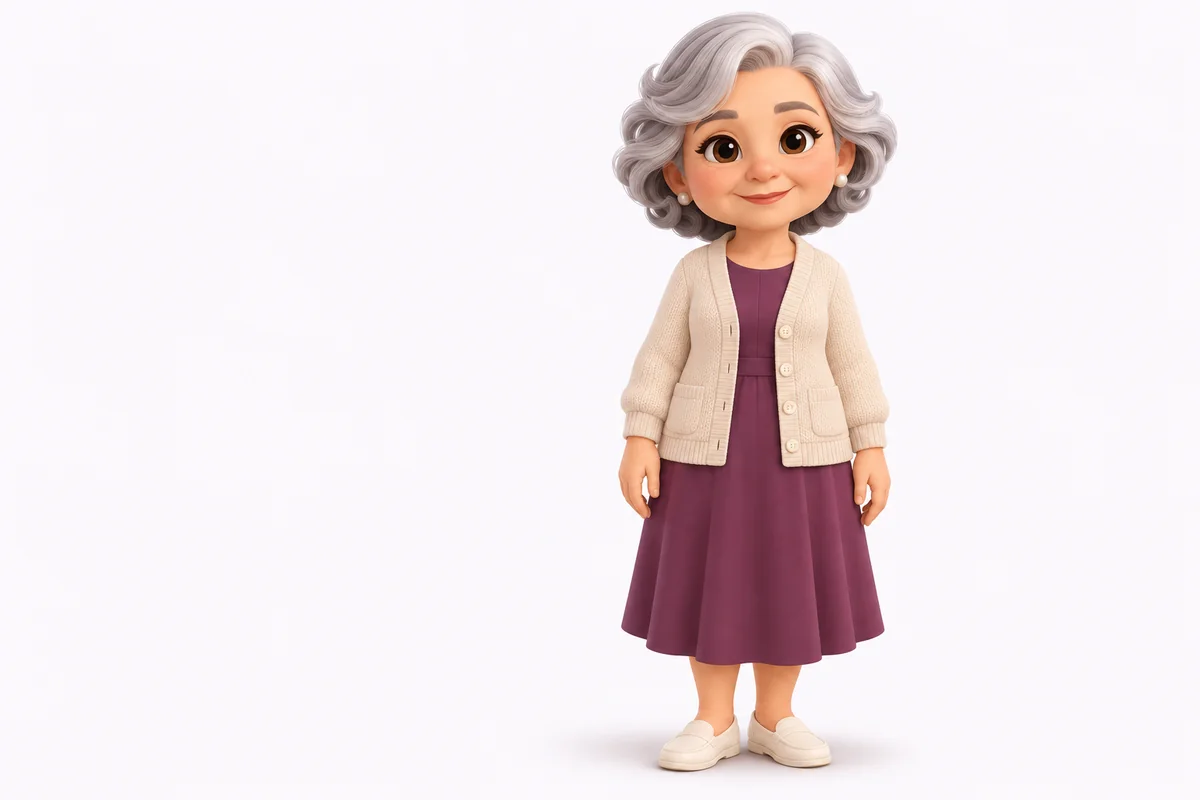
A gift for new parents can celebrate the adults as well as their new family role. A doll portrait might show the couple in familiar everyday clothes, remember a place in their shared life, or keep a small detail that still feels distinctly theirs. It can mark the change without turning every part of their identity into a parenting symbol.
Begin by asking whether this kind of personal display gift would be welcome. A simple choice is often more useful than a complicated surprise, especially when the recipients already have many decisions to make.
Keep a recognizable part of each person's own life
Think about the people you knew before this milestone. One may be happiest in a particular cardigan; the other may always bring a book on a day out. Their familiar hairstyles, glasses and everyday clothing can form the design without adding a large number of props.
Choose details they enjoy rather than visual jokes about what parenthood is supposed to look like. A portrait does not need exaggerated tiredness or a stack of baby equipment to acknowledge the occasion. You can explain the new chapter in the gift note while keeping the figures comfortable and personal.
If one person is arranging the portrait for their partner, ask how much they want to decide together. The everyday couple doll guide explores how a shared portrait can keep room for two different personalities.
Choose a clear adult portrait before expanding the scene
Two adult figures can be a complete idea. Decide whether they should stand separately or in a connected pose, and describe which person belongs on each side. Make both faces visible in the reference rather than relying on the designer to identify them from a crowded family picture.
The standard subject choices include two people. Adding a baby, another child, extra relatives or more animals changes the requested combination. Contact the team about that idea first rather than assuming it is included in a standard two-person design.
You can keep the initial portrait focused on the adults and write a reference to their family in the card. This separates the memory you want to express from the number of people represented in the figure. It also avoids asking a single small scene to carry every part of the family's story.
- Choose the adult subjects and the period you want to remember.
- Describe each person's outfit and essential features separately.
- Write a shared sentence about their position or connection.
- Ask about any additional person or complex accessory before proceeding.
The reference photo guide helps you check that the important faces and clothing are clear. If the useful references are separate, prepare one clearly labeled combined image for the single upload field or ask how to share extra reference material.
Let the accompanying note acknowledge the change
A personal card can explain why the portrait looks familiar rather than entirely new. You might mention a shared walk, an ordinary conversation or an interest that you associate with the couple. Choose a detail they would recognize without needing you to explain it afterwards.
This hypothetical message is one possible direction: "I chose the outfits from our Sunday lunches because I wanted this to look like the two of you I know. I hope there is a little space on your shelf for that familiar part of your story." Replace the memory with something real and keep the tone suitable for your relationship.
Avoid giving advice about how the recipients should feel or behave as parents. The note can offer affection and recognition without predicting their experience. If the gift is from several friends, collect short individual messages on a separate card rather than inserting them into the figure design.
Make the display choice easy to change
The portrait is an adult display keepsake, not a product offered here as a child's toy. Ask where the recipients would like to put it, without assuming the nursery is the right place. A shelf in their own room or another personal space may suit the idea better.
Use the desk and shelf guide to compare the real space with the options available during ordering. Keep the choice flexible if the household is still rearranging things.
Once the emailed AI design arrives, look at whether both adults still feel individually represented. The illustration is a design proposal; review the physical options and price separately. A quieter, familiar portrait can say enough without adding another elaborate task to the occasion.