The most useful starting point for a teacher doll gift is often a moment you can describe in a sentence. It might be the patient explanation that finally made a subject click, a project the class kept talking about, or the way a teacher welcomed someone who felt out of place. Choose that memory before choosing a pile of classroom props.
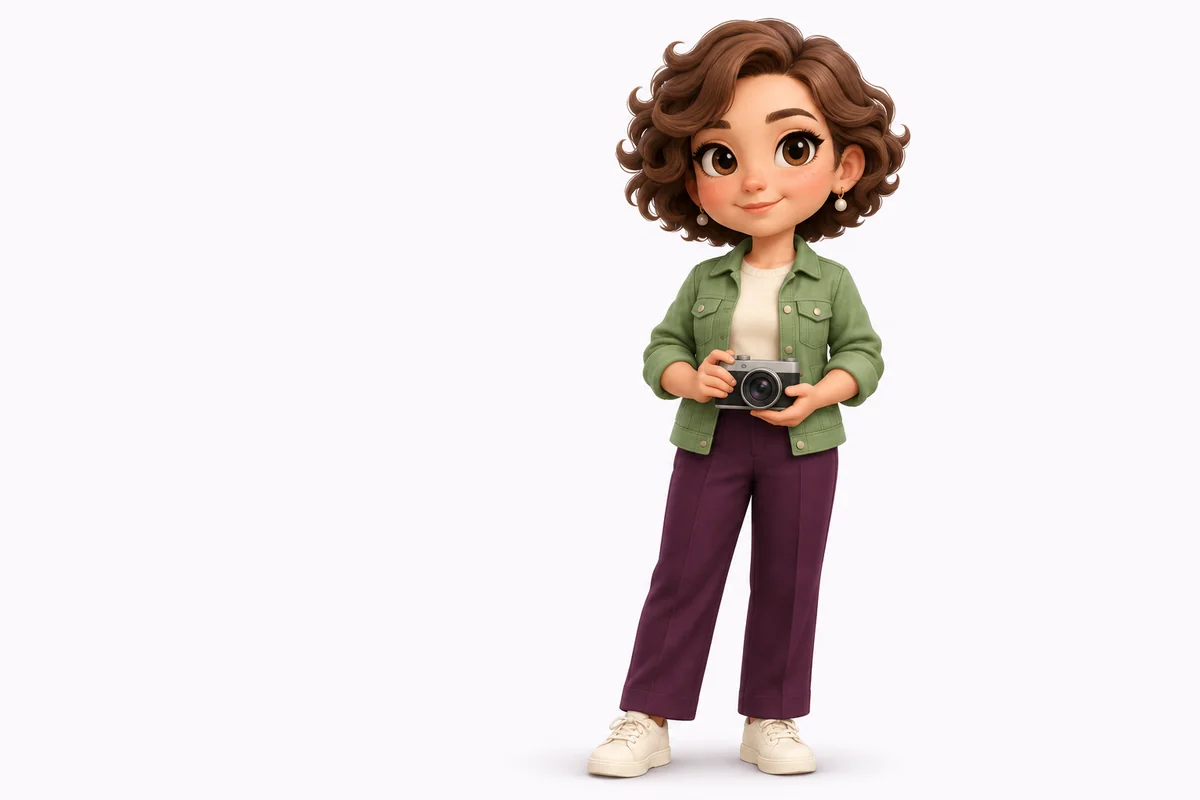
The doll in this guide is a personalized chibi display figure. Its larger head and smaller body give the portrait a playful interpretation. The aim is to recognize the teacher as a person, with a small clue to the shared experience.
Choose the memory before the classroom symbols
A teacher does not need to hold an apple, three books and a globe to look like the teacher you know. Start by asking the people contributing to the gift what they remember. Request one short answer from each person, rather than a list of suggested accessories.
Then look for a theme that appears more than once. Several people might mention a reading project, the encouragement to ask questions, or an activity that became a weekly favorite. You can use that theme to guide the portrait without trying to illustrate every response.
If you are giving the gift alone, choose an experience you actually shared. An adult former student can write about a lesson that stayed with them. A colleague might focus on a generous bit of mentoring. A parent can describe something their child enjoyed without pretending to speak for the whole class.
Let one detail carry the teaching connection
A simple book, a plain folder or a clear standing pose can be enough. Select the detail that belongs to your chosen memory. If the moment was about reading together, a book has a purpose. If the gift celebrates a colleague's calm guidance, their familiar glasses and everyday clothes might say more than any classroom object.
Keep the teacher's own appearance central. The outfit note guide helps you describe a cardigan, jacket or other familiar clothing without turning the brief into a long inventory.
Ask the team before relying on a written message on a tiny book, a complex teaching aid or a very specific hand position. An AI illustration can suggest a design, but it does not establish that every small feature will appear in a finished physical figure.
A hypothetical starting note could read:
Please use the clear portrait for the face and glasses. Keep the navy cardigan from the same picture. A simple closed book would connect the figure to our reading project, but the book title is not essential. The expression and familiar clothing matter most.
Give a group gift one editor
When several families, adult students or colleagues are contributing, agree on one person to collect the comments and prepare the brief. This prevents a gift from accumulating conflicting outfits and competing ideas simply because nobody wants to leave a suggestion out.
- Choose one theme that the group can explain.
- Agree on the main appearance reference.
- Separate essential design details from optional suggestions.
- Ask contributors for a short message for the accompanying card.
The portrait request form has one image upload field. If you need both a face reference and an outfit reference, prepare one clear combined image with simple labels, or ask the team how to provide them. The photo reference guide can help you decide what each part needs to show.
Put the class's words in the card
The card is a better home for a collection of messages than the miniature design itself. Let each contributor write in their own voice. A brief memory is easier to connect with than repeated versions of the same general thank-you.
For example, a hypothetical message might say, "I remember that you waited while I found the words, instead of finishing the answer for me." Use an experience that belongs to the sender. Keep full student names and personal classroom details out of any public gift photographs or shared design notes.
For a teacher leaving the profession, the retirement gift guide offers another angle: whether to remember the classroom or celebrate the interests that come next. Before buying a physical figure, let the organizer review the emailed AI design and the available order options. The gift will be clearer when the portrait and the messages are all about the same remembered person.