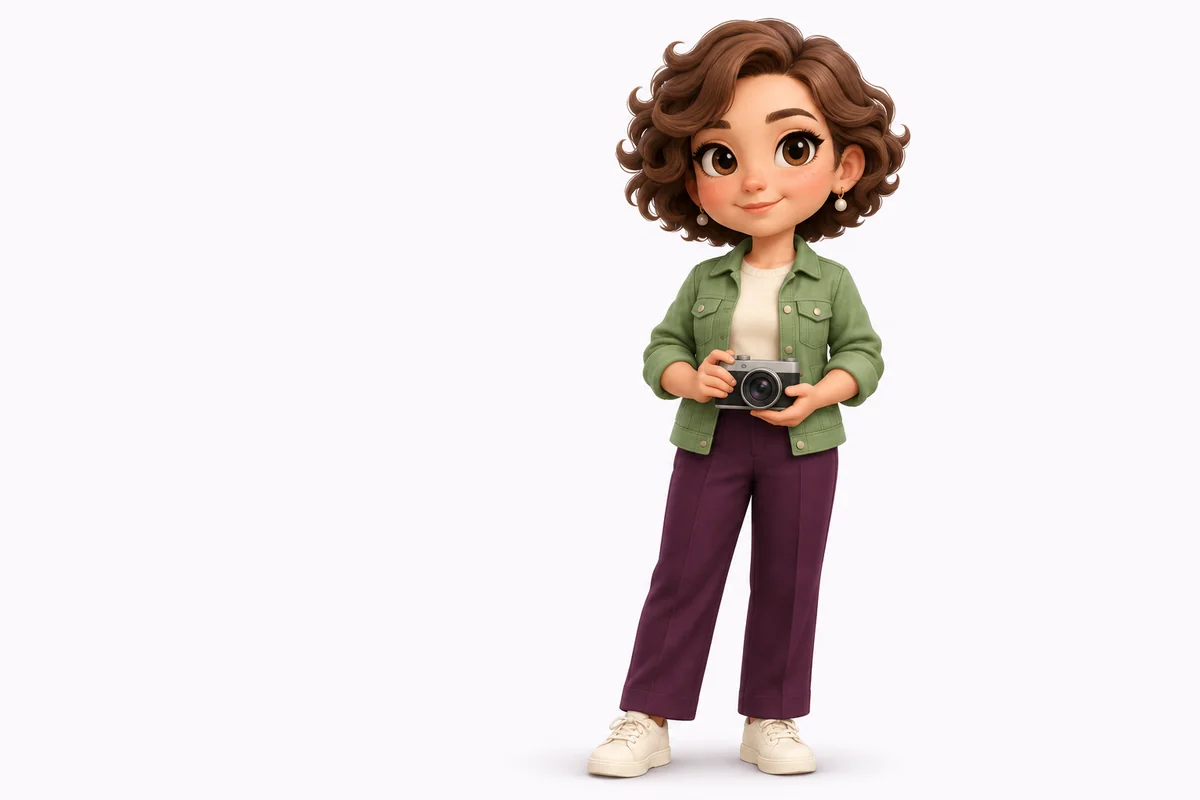
You may want to thank a vet for being patient with your questions, remembering your pet's habits, or making a familiar visit feel less confusing. A custom vet doll can reflect that personal connection without trying to sum up a whole profession or make claims about treatment.
Start with the part of the relationship you can describe yourself. A specific memory gives you more useful direction than a collection of generic medical symbols. The gift is a stylized chibi portrait for display, so the person's familiar appearance can remain the main subject.
Write down what you are actually grateful for
Think about a moment of communication. Perhaps the vet took time to explain a plan in ordinary words, helped you prepare a list of questions, or greeted a nervous pet in a way you recognized. Describe what you observed, rather than turning the note into an assessment of medical results.
One sentence is enough to choose a theme. For example, you might want the gift to acknowledge years of calm conversations, a helpful introduction when you adopted a pet, or the patience shown during routine visits. These examples are prompts for your own memory, not stories about customers.
If several family members are contributing, ask each for a short recollection before deciding on the figure. Shared gratitude does not require a design crowded with every person's favorite detail. Choose one visual direction and keep the different messages in the card.
Keep the vet recognizable as a person
A coat or a simple work outfit can suggest the role, but it should not replace the person's individual features. Familiar glasses, a hairstyle or an ordinary relaxed stance may make the portrait feel more specific than a tray full of equipment.
Choose a reference you have permission to share. Avoid collecting images of other people in a clinic simply because they happen to be in the background. The photo reference guide explains how to make the intended subject clear.
Write the outfit request in plain language. Name the clothing you mean and leave out clinic signage, readable forms and patient information. A figure does not need a full copy of the workplace to express why the person matters to you.
- Make the face and hairstyle the main reference.
- Choose one simple clothing direction.
- Separate any optional professional accessory from the essential features.
Decide what role your pet plays in the gift
Your pet may be the reason you know the vet, but adding an animal changes the composition. A single-person portrait with a small, simplified animal-shaped object is different from a person-and-pet figure. Do not leave the team to guess which you mean.
If you want the vet and your actual pet represented together, ask about the appropriate subject choice and provide a clear explanation of the intended relationship. A request involving extra animals or more people should be discussed before you assume it fits a standard combination.
You can also keep the doll portrait focused on the vet and put your pet's name, a photograph you own, or an adoption memory in the separate card. That may express the connection more clearly than trying to fit every reference into one small scene. For another way to think about shared compositions, see the person-and-pet portrait guide.
Make the thank-you comfortable to receive
Keep the message specific and modest. A short note about how a conversation helped you understand the next step can feel more personal than a sweeping statement about the recipient's character. You do not need to describe private details in a card that might be displayed at work.
This is a hypothetical note, to be rewritten around your own experience:
Thank you for answering our many questions as we learned to look after Pip. We chose a portrait of you because your patient explanations have become a familiar part of our visits.
Check practical arrangements with the recipient or team if you are unsure how to present a personal gift. You can ask quietly whether a card and small display portrait would be welcome, without requesting a public reaction or photograph in return.
Use the preview review guide when the emailed design arrives. Treat the illustration as a proposed look, then review the available figure options and final price before making a separate physical purchase.