A first photography exhibition gives friends and family a specific occasion to remember. A photographer doll can connect to that moment through the person's familiar appearance and one clear reference to their work. Before adding a camera, a backdrop and a wall of tiny pictures, decide which part of the occasion matters most.
You might be celebrating the first time they shared a personal project, the completion of a long period of making photographs or simply the pleasure of seeing their work in a place other people could visit. Keep the gift tied to the event you know.
Choose what the exhibition means to the recipient
Ask which part they want to remember. The opening evening, hanging the final picture or showing the work to a particular friend may suggest different portrait themes. Their answer can be more useful than a general description of the type of photography they make.
If the gift is a surprise, choose an experience you actually shared. You can write about visiting the exhibition or seeing a project take shape without inventing a struggle behind it. Avoid assuming that public recognition was the only part that mattered to the photographer.
A friend who was at the opening can describe that evening. A relative who could not attend might focus on a conversation about the project. A gift does not have to pretend the giver witnessed every stage of the work.
Make the camera one detail among others
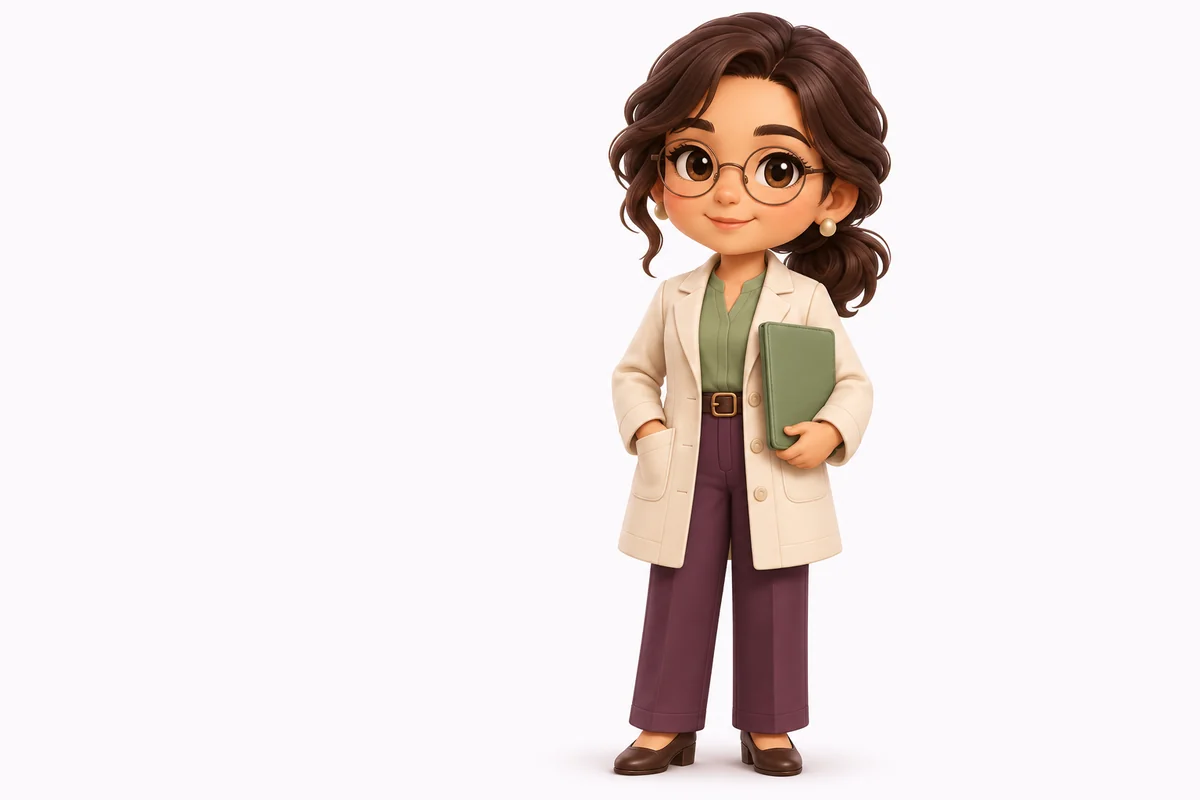
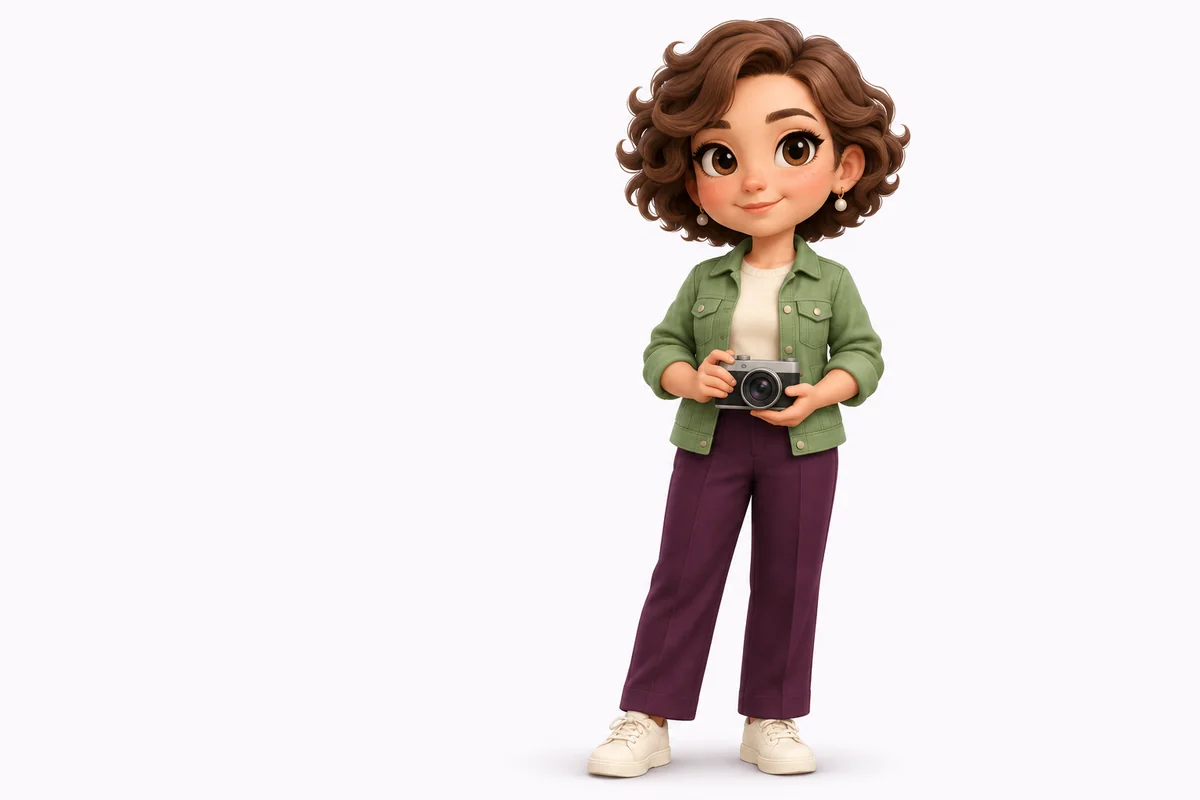
A simplified camera or a closed portfolio can suggest the connection to photography. Choose one object, then give more attention to the person holding it. A familiar haircut, jacket or pair of glasses may make the portrait feel more recognizable than detailed controls on a miniature camera.
Keep the camera unbranded in the starting concept. Discuss any essential lens shape, strap or hand position with the team before making it a condition of the gift. A complex photographing pose can introduce details that deserve clarification.
The portrait detail guide helps you set priorities. If the photographer would rather be remembered for the work than the equipment, a plain closed portfolio may suit the story better than a camera at all.
A hypothetical concept brief could read:
Please use her current portrait for the face and short hairstyle. Keep the sage jacket and simple trousers. A small plain camera held below the face is optional. The glasses and relaxed pose matter more than exact equipment details.
Keep the work's context beside the portrait
The card can explain the exhibition's place in the photographer's life. You might include a message about a particular photograph you discussed, a memory of visiting together or a sentence about what you enjoyed seeing them share.
If you want to keep an invitation or exhibition note with the gift, choose material you have permission to use. Do not fill the design brief with other people's portraits or copies of photographs simply to decorate it. A short written description can explain the occasion without reproducing the work itself.
A hypothetical card might say, "I wanted to remember the evening you showed us the finished series. I especially liked hearing you explain why you kept the quietest picture." Your own message should refer to a real conversation or observation, even if it is much simpler.
The first-solo-show gift guide considers a similar choice for another creative milestone: how to celebrate a public moment while keeping the gift personal.
Prepare a clear portrait reference
A photograph taken during an exhibition may hold the right memory but hide the person's face behind a camera or leave them in deep shadow. Use it to explain the occasion if appropriate, while choosing a clear face reference for the portrait itself.
The photo reference guide explains how to decide what each image is for. The public preview form offers one file upload. If separate images show the face and chosen outfit, make one clearly labelled combined reference or ask the team how to provide the extra material.
Review the emailed AI image as a proposed stylized interpretation. It does not serve as a photograph of a finished physical figure or proof that every equipment detail can be made. Confirm essential points and the available order options before purchasing the physical figure.
For a smaller, everyday theme rather than an exhibition milestone, see the hobby portrait ideas. Whichever direction you choose, keep the reason for the gift with the portrait so it remains connected to the photographer and the work you wanted to remember.