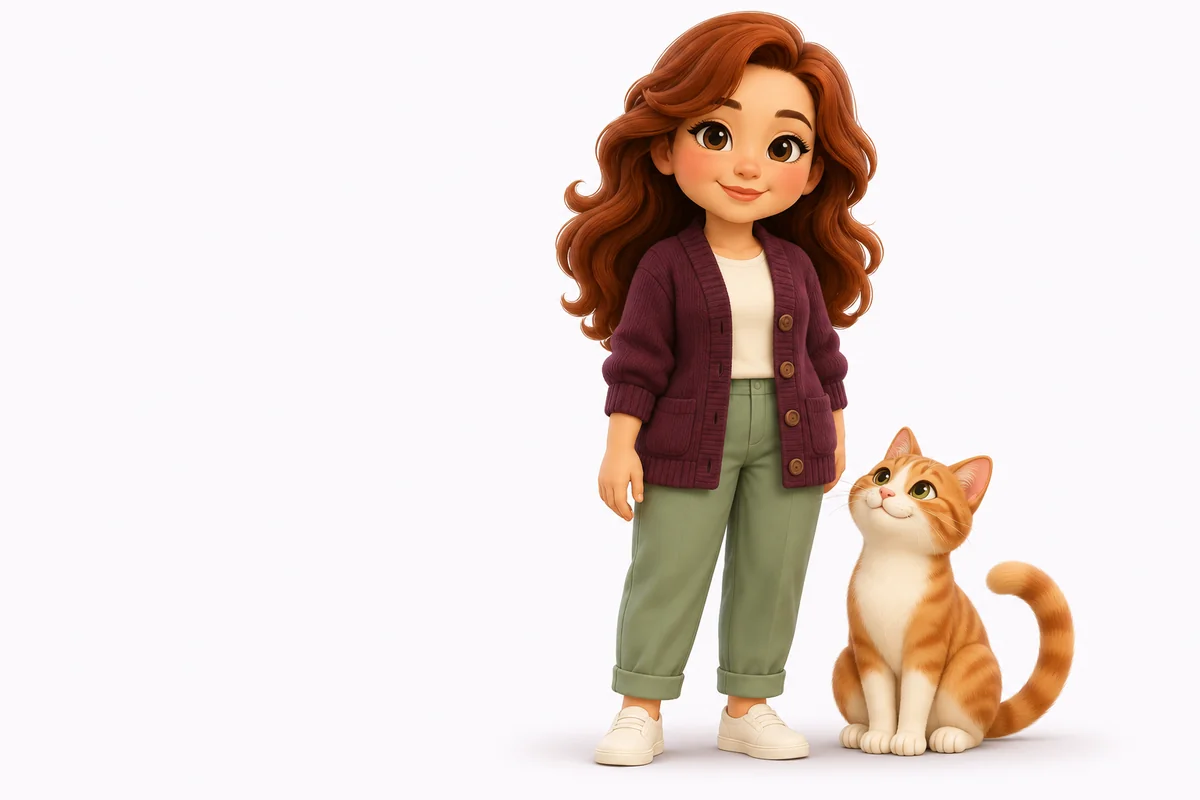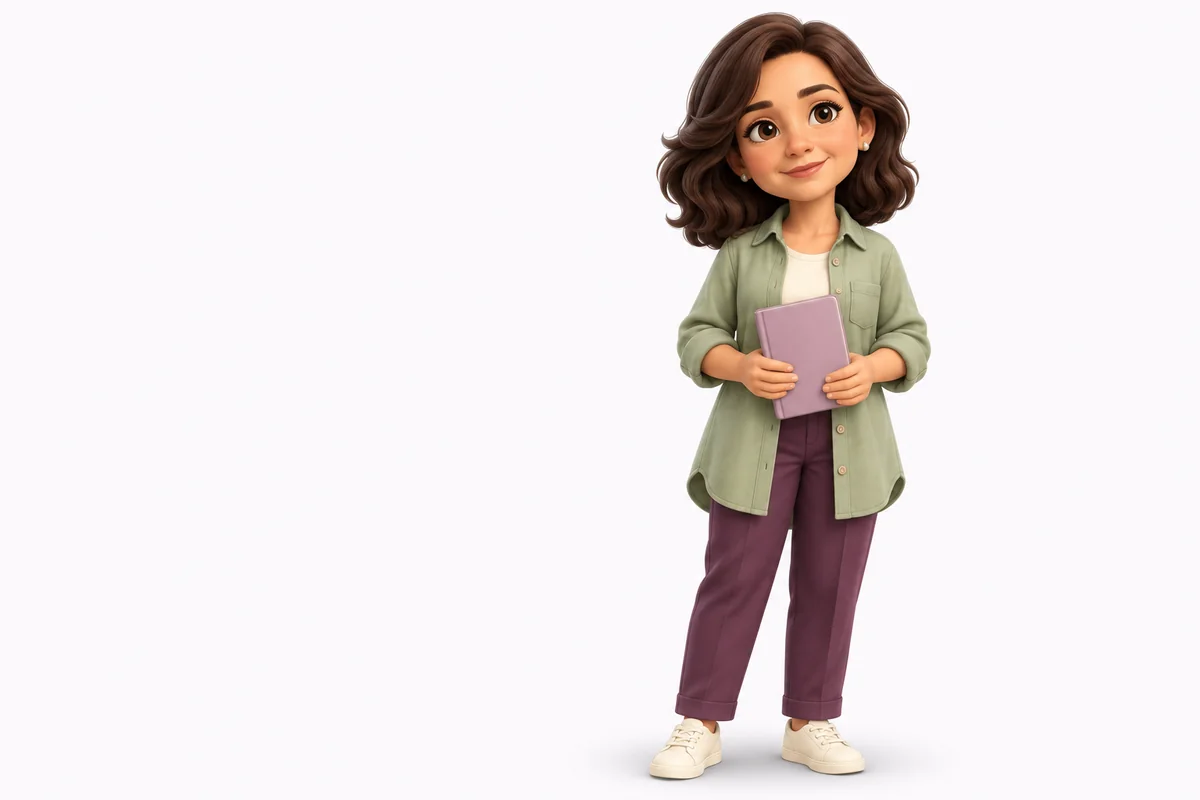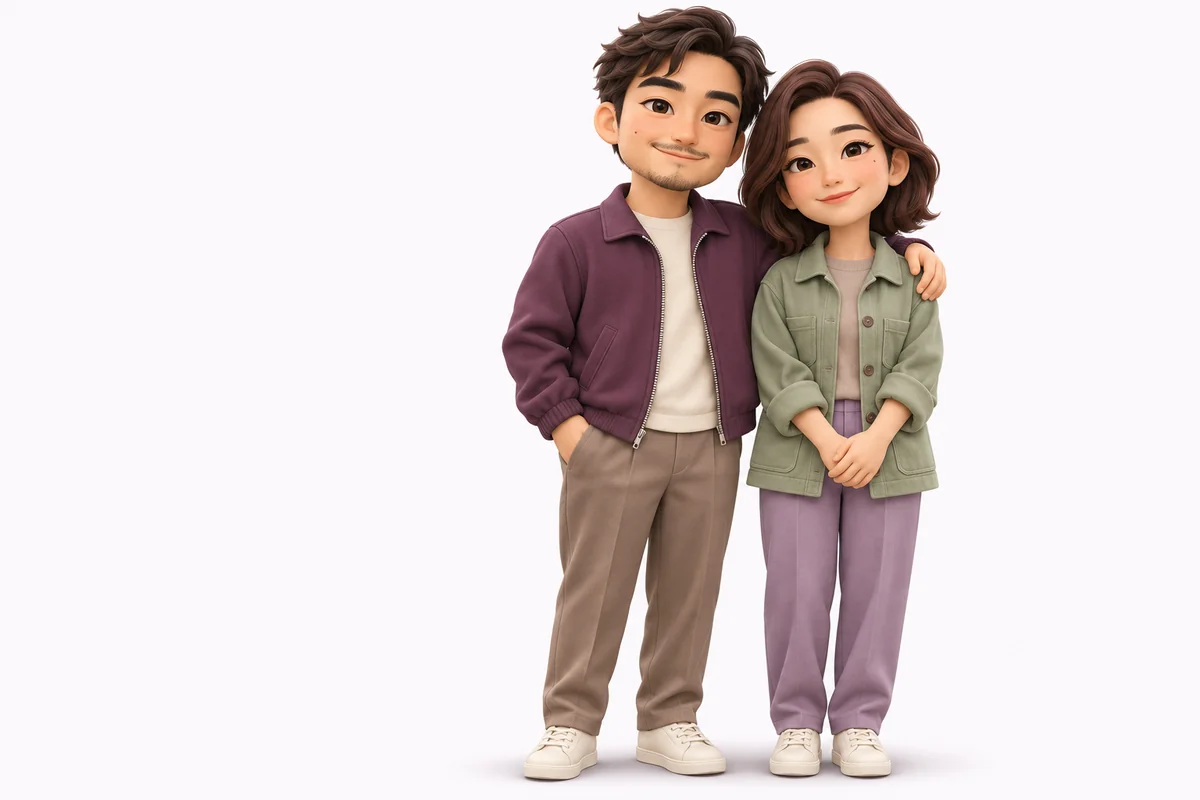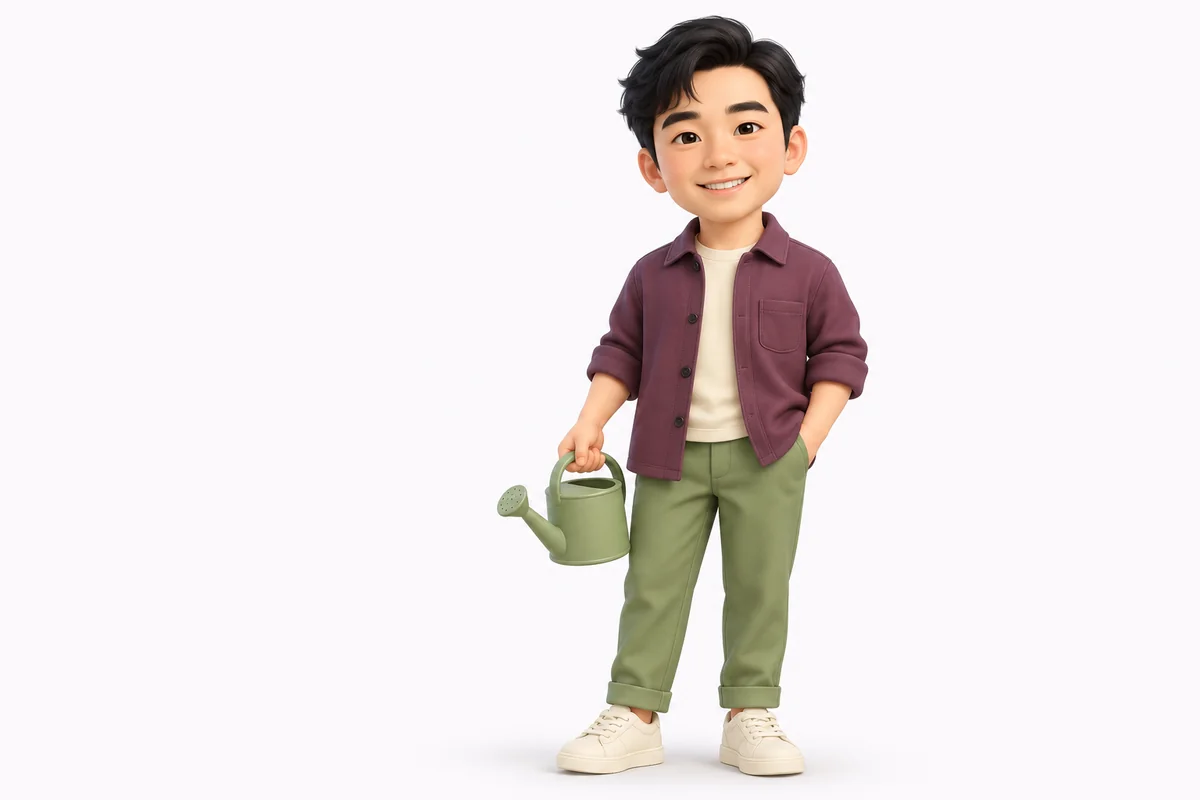
The useful starting point for a hobby portrait is the thing your boyfriend actually does. A camera can mean weekends spent walking slowly through town. A book can mean the hour he keeps for himself before bed. Choose the activity first, then decide how much equipment the figure needs to suggest it.
A custom chibi doll is a stylized display figure, so the whole idea should remain readable in a compact portrait. You can build a personal theme without recreating a workbench, a garden or an entire collection of instruments.
Pick the hobby he makes time for
Think about how he spends an ordinary free afternoon. The answer may be different from the hobby he mentions most often. A recently purchased guitar is one possibility; the sketchbook he has filled for years may give you a more familiar portrait.
Choose a theme that you can explain in one sentence. For example: "He takes a camera on every walk" gives the design a clearer direction than "He likes travel, photography, coffee and hiking." You can keep the other interests for the gift note rather than adding an object for each one.
If you are uncertain, ask an ordinary question about a favorite part of the hobby. You might learn that he prefers the quiet planning before a trip to the dramatic summit photograph. That difference can change which outfit and stance feel right.
Let one object carry the story
A plain notebook, a simplified camera or a small plant can suggest an activity without taking attention away from the person. Select the object because of its connection to him, rather than because it fills an empty hand.
Make a short list before writing your brief:
- The hobby you want the portrait to suggest.
- The one object that makes that hobby recognizable to you.
- The feature of the person that should remain most noticeable.
Then remove anything that competes with those priorities. A person holding a camera does not also need a backpack, a tripod and a collection of lenses to make the theme clear.
Ask the team before relying on an essential accessory, fine lettering or a pose supported by small parts. An AI design image can illustrate an idea, but it does not establish how every detail will appear in a physical figure.
Choose clothes that belong to the activity
Use the version of the hobby he would recognize. Someone who gardens in an old sweatshirt may prefer that familiar look to a formal outfit holding a plant. A reader might feel more like himself in his usual cardigan than dressed as a fictional character.
You can keep the pose uncomplicated while allowing the clothing to do more of the work. If your main portrait photograph shows a different outfit, explain the intended clothing clearly. The outfit description guide covers which details help communicate a look.
A hypothetical brief could read: "Use his current short hairstyle and glasses. Show the sage overshirt he wears for weekend walks, with dark trousers and a relaxed standing pose. A plain camera held near his waist is optional. Please keep his face unobstructed."
Picture where the portrait will live
The display location can help you choose between two good ideas. On a reading shelf, a quiet everyday portrait might sit comfortably beside his books. Near a photography collection, the camera theme may have a more direct connection. You are choosing a setting for the gift, not promising that it includes a display base or other objects.
Before choosing an available figure size, measure the actual space and consider the other things already there. The desk and shelf planning guide offers a way to compare the location with the ordering options.
Finish by writing why you chose this particular hobby moment. A note about the walks you take together or the drawings he has shared gives the gift context that equipment alone cannot provide. Keep that note with the reference brief, so the design and the reason for giving it tell the same story.